
Electronic Health Records in Dentistry: Why Digital Transformation is Crucial
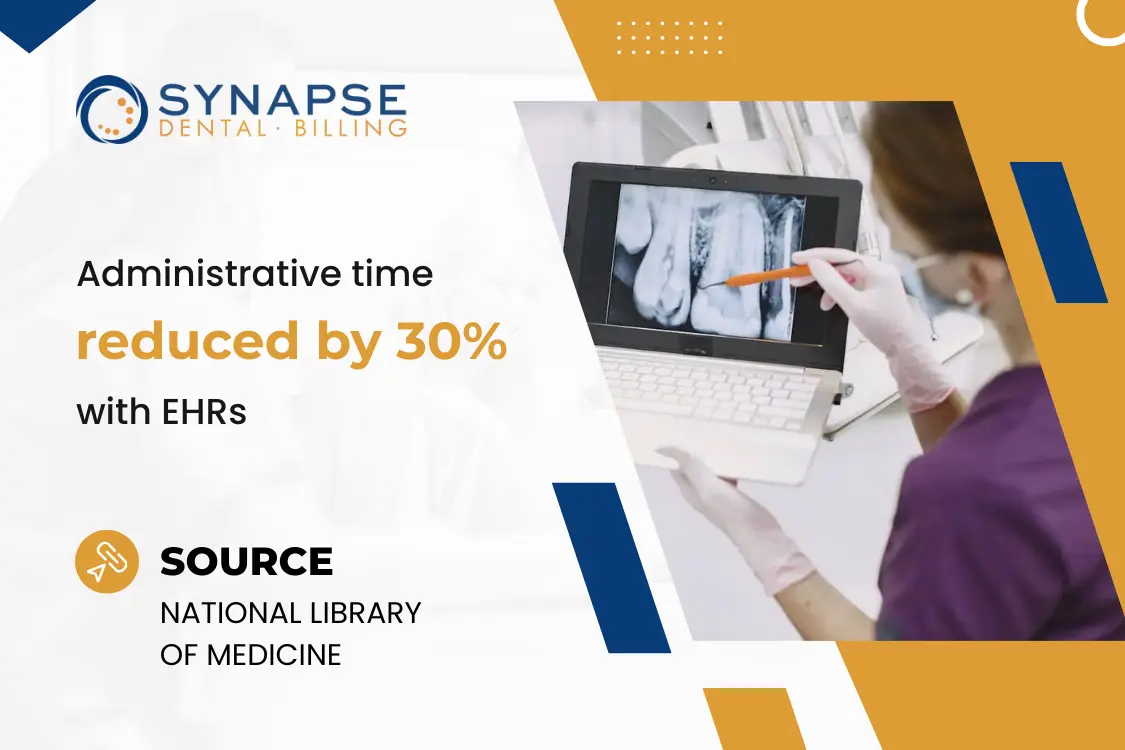
Dentistry has entered the digital age, with over 90% of hospitals in the United States now using Electronic Health Records (EHRs) to manage patient information. For dental practices, adopting EHRs in dentistry is a strategic decision that impacts work efficiency, patient outcomes, dental billing accuracy, regulatory compliance, and long-term growth.
However, not all EHRs deliver the same experience. Choosing the wrong system can introduce inefficiencies, frustrate staff, and limit your practice’s potential.
In this blog, we’ll explore why digital transformation in dentistry is critical, what to look for in modern dental EHR software, and how the right system can support strategic planning, revenue optimization, and sustainable growth.
What are EHRs and Why They Matter in Dentistry
Before Electronic Health Records (EHRs), dental practices relied on paper charts, manual billing, and standalone imaging systems. This old-school approach often led to:
Increased errors - Illegible notes or misplaced files caused delays and mistakes.
Inefficient workflows - Staff spent hours managing records instead of focusing on patient care.
Limited insights - Tracking treatment outcomes or spotting patient trends was cumbersome and time-consuming.
In 2012, only 52% of U.S. dental practices had adopted any form of electronic record system, highlighting that dentistry began its digital transformation only recently.
Today, EHRs in dentistry are not just about efficiency, as they represent a smarter, data-driven way to manage a practice. Modern Electronic Health Records are secure, digital versions of patients’ health information. Unlike paper charts, EHRs consolidate:
Patient histories
Treatment plans
Clinical notes
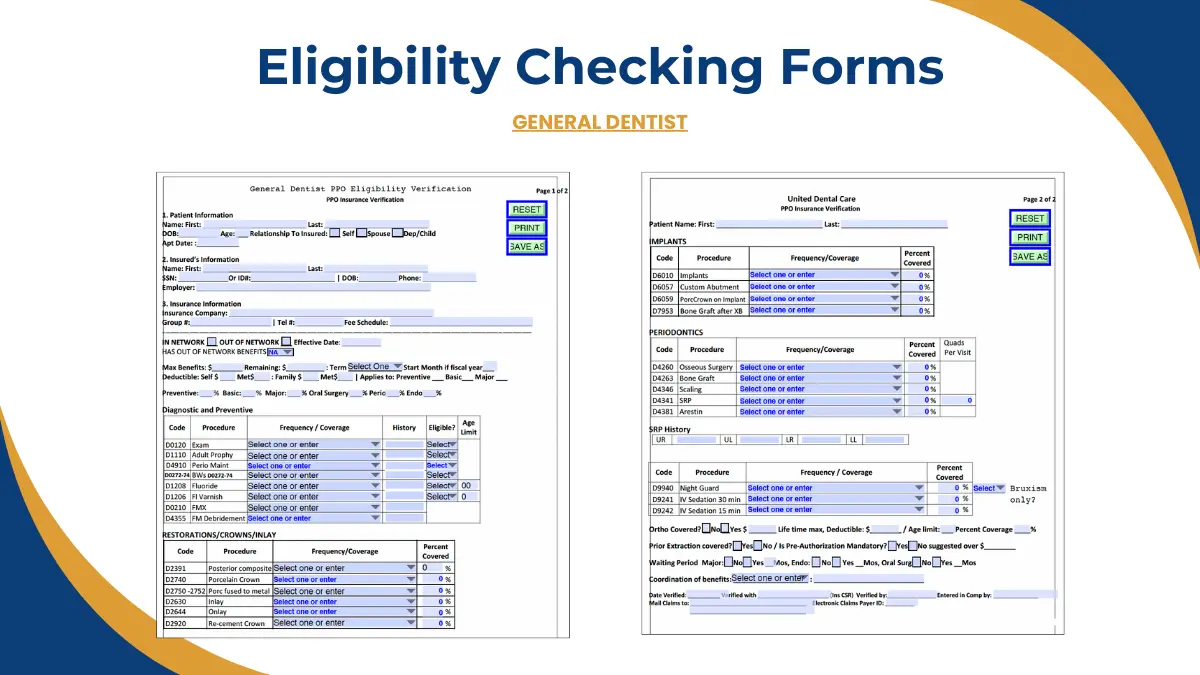
X-rays and imaging
Medications and allergies
Stored on a secure, accessible platform, EHRs enable dental teams to collaborate in real time, improve care coordination, reduce errors, and provide practices with actionable insights to enhance patient outcomes.

Turning EHR Challenges Into Opportunities
But despite their widespread adoption, many practices still face challenges when adopting or optimizing EHRs. Common obstacles include:
Complex, unintuitive interfaces that slow down daily tasks.
Generic software requiring workarounds for dental-specific workflows.
Poor integration with imaging, labs, and dental billing systems
High implementation costs and limited vendor support.
These challenges help explain why nearly one-third or 32% of independent providers remain dissatisfied despite going digital. For practices to truly benefit, selecting a system tailored to their needs is critical.
The key to success is choosing an EHR that adapts to your workflow, rather than forcing your team to adapt to the software. When implemented correctly, EHRs can transform your practice by:
Improved efficiency: Practices report up to 30% reduction in administrative time after EHR adoption.
Better patient outcomes: Digital tracking of treatments, medications, and preventive care improves overall health management.
Regulatory compliance: Built-in HIPAA, CDC, and billing safeguards.
Strategic planning: Data insights inform staffing, services, and growth decisions.
To fully realize these benefits, it’s important to choose a system that supports your practice in four key areas. Focusing on these features ensures your EHR works for you, not the other way around.
Four Key Features to Look For in a Dental EHR
Maximizing EHR benefits depends on choosing a system tailored to your practice’s needs. Key features to consider include:
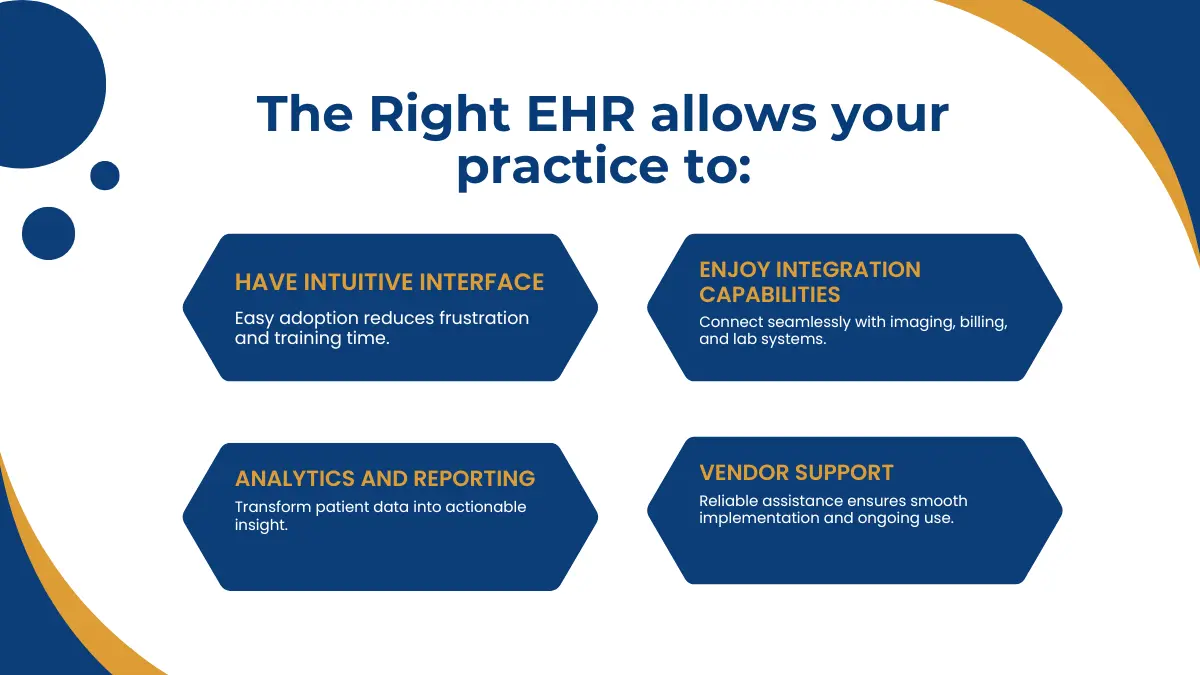
Investing in a system that meets these criteria ensures that digital dental records become a strategic asset, freeing your team to focus on patient care.
Dental Coding with Confidence, Partner with Synapse
Every dental practice is unique. Workflows, patient demographics, and operational priorities vary, so a one-size-fits-all solution rarely works.
While EHR adoption comes with challenges, selecting a system designed for your workflow and supported by a reliable vendor turns those challenges into opportunities.
Platforms like Synapse Dental has EHR services, providing:
Advanced Analytics: Turn patient data into actionable insights for treatment planning, patient retention, and strategic growth.
Seamless Integration: Connect with digital imaging, lab systems, and billing platforms for a truly unified workflow.
Tailored Workflows: Customize templates, treatment notes, and scheduling to match your practice’s operations.
Robust Support: Vendor guidance ensures smooth implementation and ongoing assistance. As one Synapse client puts it:
“Our revenues have increased sharply over that period, and they have provided valuable assistance with credentialing, compliance and CMS quality activities. With the ever-increasing burden of knowledge required to achieve the highest reimbursements, no practice can afford to be without the best practice management support, and we definitely have found it in Synapse.”
By aligning technology with your practice’s specific needs, Synapse helps reduce administrative burden, improve patient outcomes, and strengthen compliance, all while freeing your team to focus on what matters most: patient care.
The right EHR is more than a record-keeping tool; it’s the foundation for smarter, more efficient, and patient-centered dentistry.
Learn how to choose an EHR like Synapse Dental that goes beyond digitization to actively support efficiency, compliance, and sustainable practice growth.
Request a Consultation Here
Sources
A Digital Clinical Records Versus Paper Records in Dental Practice: A Comparative Study
; Lifted from https://pmc.ncbi.nlm.nih.gov/articles/PMC12745653/
Electronic Health Records in Hospital Dentistry: A Qualitative Needs Assessment
; Lifted from https://papers.ssrn.com/sol3/papers.cfm?abstract_id=5153017
Electronic Health Records in Dentistry: Relevance, Challenges, and Policy Directions
; Lifted from
https://www.sciencedirect.com/science/article/pii/S0020653925032472
10 EHR failure statistics: why you need to get it right first time; Lifted from:
https://www.ehrinpractice.com/ehr-failure-statistics.html
10 EHR statistics you should know — plus tips for choosing the right system; Lifted from
https://www.tebra.com/theintake/ehr-emr/patient-care/ehr-statistics-to-consider-when-selecting-ehr
A Digital Clinical Records Versus Paper Records in Dental Practice: A Comparative Study; Lifted from
https://pmc.ncbi.nlm.nih.gov/articles/PMC12745653/